

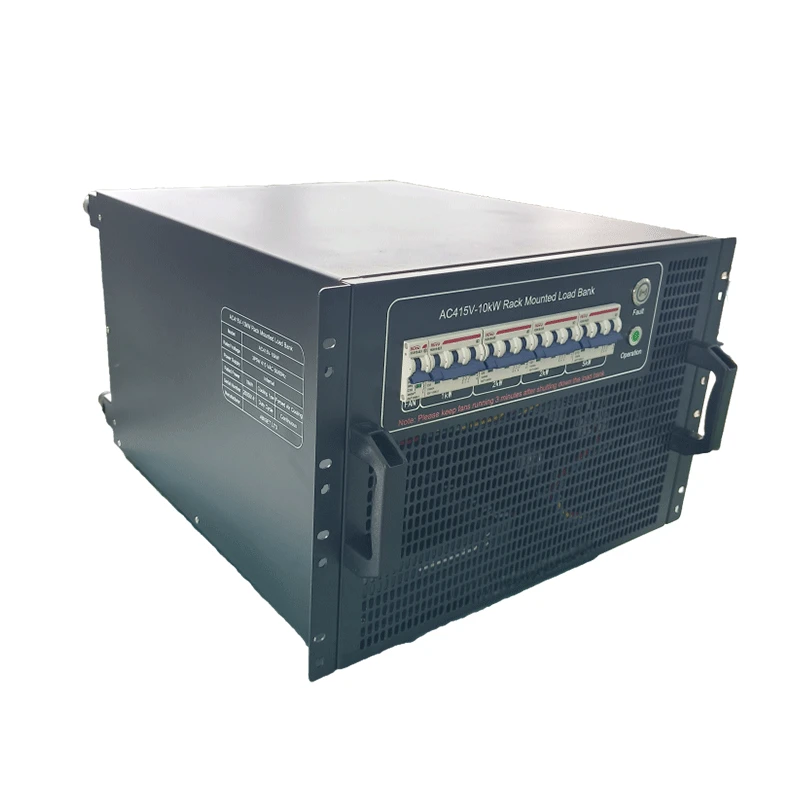
As a supplier of 10kW Rack-mounted Load Banks, I've seen firsthand how these devices are crucial for testing and maintaining power systems. But with great power comes great responsibility, especially when it comes to ensuring safety during operation. In this blog post, I'll share some key tips on how to keep your 10kW Rack-mounted Load Bank secure while it's doing its job.
Pre - operation Checks
Before you even think about turning on your 10kW Rack-mounted Load Bank, there are several pre - operation checks you need to do. First off, give the load bank a good visual inspection. Look for any obvious signs of damage like cracks, loose parts, or frayed wires. If you notice anything off, don't use the load bank until it's been properly fixed. You can check our 10kW Rack-mounted Load Bank product page for detailed specifications and maintenance guidelines.
Next, make sure the load bank is installed in a suitable environment. It should be placed on a stable surface that can support its weight. The location should be well - ventilated to prevent overheating. High temperatures can cause the components inside the load bank to fail, which not only risks the device itself but can also pose a safety hazard. Avoid placing the load bank near flammable materials or in areas with excessive moisture.
It's also essential to verify the electrical connections. Ensure that all cables are securely plugged in and that there are no exposed conductors. Double - check the voltage and current ratings to make sure they match the specifications of your power source and the load bank. Incorrect electrical connections can lead to short - circuits, electrical shocks, or even fires.
Operator Training
Even if your 10kW Rack-mounted Load Bank is in perfect condition and installed correctly, it's no good if the operator doesn't know how to use it properly. That's why proper training is absolutely necessary. Operators should be familiar with the controls and functions of the load bank. They need to know how to set the load levels, monitor the performance, and troubleshoot basic issues.
Our company provides comprehensive training materials for all our load bank products, including the 10kW Rack-mounted Load Bank. However, hands - on training is often the best way to learn. We recommend having an experienced technician or engineer on - site to guide new operators through the initial setup and operation. This way, they can ask questions and get real - time feedback.
Operators should also be aware of the safety procedures. They need to know how to shut down the load bank in an emergency and what to do in case of a fault. Wearing appropriate personal protective equipment (PPE) such as insulated gloves and safety glasses is a must.
Monitoring during Operation
Once the 10kW Rack-mounted Load Bank is up and running, continuous monitoring is crucial. Use the built - in monitoring systems to keep an eye on parameters like voltage, current, and temperature. If any of these values go outside the normal operating range, it could be a sign of a problem.
Regularly check the physical condition of the load bank during operation. Listen for any unusual noises, such as rattling or buzzing, which could indicate loose parts. Look for any signs of overheating, like discoloration or a burning smell. If you notice anything out of the ordinary, stop the operation immediately and investigate.
Remote monitoring can also be a great option. It allows you to keep track of the load bank's performance without being physically present. You can receive alerts on your phone or computer if there are any issues, which enables you to take action quickly.
Maintenance and Calibration
Regular maintenance and calibration are vital for the long - term security and performance of your 10kW Rack-mounted Load Bank. Follow the manufacturer's recommended maintenance schedule. This usually includes tasks like cleaning the components, checking the connections, and replacing worn - out parts.
Calibration ensures that the load bank is providing accurate and reliable results. Over time, the accuracy of the measurement instruments inside the load bank can drift. By calibrating it regularly, you can make sure that it's still within the acceptable tolerance range. Incorrect calibration can lead to inaccurate test results and potentially dangerous situations.
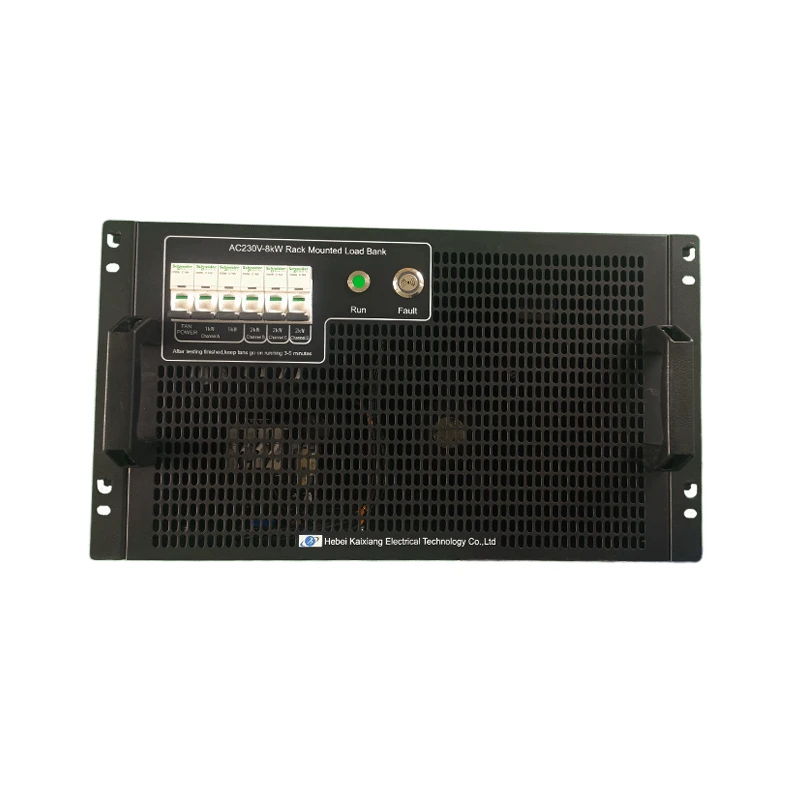
We offer maintenance and calibration services for all our load bank products. Our technicians have the expertise and equipment to keep your 10kW Rack-mounted Load Bank in top - notch condition. You can also explore our other load bank options such as the 21kW Rack-mounted Load Bank, 8KW Rack - Mounted Load Bank, 1KW Rack - Mounted Load Bank, and 7kW Rack - mounted Load Bank.
Emergency Preparedness
No matter how careful you are, emergencies can still happen. That's why it's important to have an emergency plan in place. The plan should include steps for shutting down the load bank safely, evacuating the area if necessary, and dealing with any potential hazards like fires or electrical shocks.
Make sure that all operators are familiar with the emergency plan. Conduct regular emergency drills to ensure that everyone knows what to do in a crisis. Having fire extinguishers and first - aid kits readily available is also a good idea.
Conclusion
Ensuring the security of a 10kW Rack-mounted Load Bank during operation is a multi - faceted task. It involves pre - operation checks, proper operator training, continuous monitoring, regular maintenance and calibration, and emergency preparedness. By following these tips, you can minimize the risks and keep your equipment and operators safe.
If you're in the market for a high - quality 10kW Rack-mounted Load Bank or need more information on how to operate them safely, feel free to reach out. Our team of experts is always ready to assist you with your procurement needs and answer any questions you may have.
References
- General electrical safety guidelines from industry standards
- Manufacturer's manuals for 10kW Rack - mounted Load Banks
- Technical papers on load bank operation and safety